
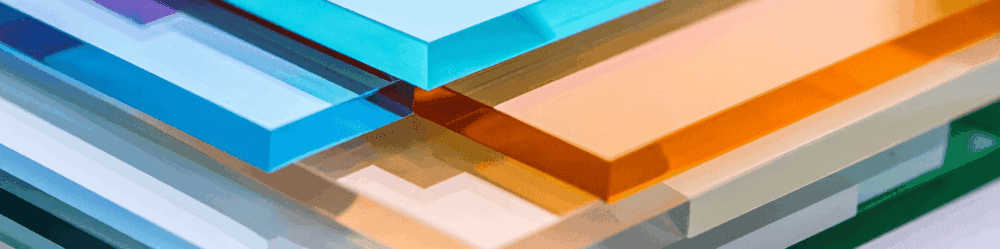
Acrylic splashbacks have become a genuine alternative to glass and tiles in UK kitchens and bathrooms and for practical reasons, not just cost. They weigh roughly half what glass does, which means a single person can handle and install a full-width kitchen panel without specialist lifting equipment. They won’t shatter if dropped during fitting. And they can be cut, drilled and trimmed on site with tools most DIYers already own.
The material is waterproof, hygienic and easy to clean warm soapy water and a microfibre cloth is all you need. Coloured acrylic sheets are available in a wide range of colours and finishes, from high-gloss vivid tones to soft frosted pastels, so you’re not limited to white or clear.
Before You Start: The Heat Distance Rule
This is the single most important thing to get right. Standard acrylic (PMMA) softens at around 80°C. That means you need a gap between the panel and any direct heat source.
For electric and ceramic hobs, keep at least 100mm between the hob surface and the bottom edge of the splashback. For induction hobs, a 50mm gap is generally sufficient since the hob surface doesn’t generate radiant heat in the same way. Gas hobs are the exception: open flames produce temperatures well above what acrylic can handle, so acrylic splashbacks should not sit directly behind a gas cooker. If you have gas, consider polycarbonate sheet for the section behind the burners it handles higher temperatures and carries a UK Class 1 fire rating.
What You’ll Need
Materials: Your acrylic splashback panel (3mm or 5mm thickness works well for splashback use), a tube of non-solvent grab adhesive, neutral cure silicone sealant and masking tape.
Tools: Spirit level, tape measure, pencil, clean cloths, sealant gun. If you need to make on-site cuts: a fine-tooth saw or jigsaw with a plastic-cutting blade, a drill with HSS bits and fine-grit sandpaper (800 and 1200 grit).
Step 1: Measure and Order
Measure the area you want to cover. For a single seamless panel, measure the full width at both the top and bottom walls aren’t always perfectly square and use the larger figure plus 2-3mm. Measure height from the worktop surface to wherever you want the splashback to finish, typically the underside of wall cabinets.
Note the positions of any plug sockets or switches. Measure from a fixed reference point (corner of the worktop, edge of the wall) to the centre of each socket, and note the socket dimensions. Plastic Sheets Direct offer a cut-to-size service so you can have the panel delivered to your exact measurements with socket cut-outs already done saves a lot of on-site stress.
Step 2: Prepare the Wall
The wall needs to be clean, dry and reasonably flat. Strip any old tiles, scrape off loose paint and fill significant dips with filler. Let everything dry fully. A painted or plastered surface is ideal the adhesive bonds directly to it and the acrylic sits flat against it.
Freshly plastered walls need to dry completely before fitting. Damp plaster compromises the adhesive bond and can trap moisture behind the panel.
Step 3: Dry Fit
Hold the panel against the wall before applying any adhesive. Check it sits level, edges align with cabinets, and socket cut-outs line up. This is the moment to spot anything that needs trimming.
If you need to trim, use a fine-tooth saw or jigsaw with the protective film still on. Cut from the back face to minimise chipping. Sand the cut edge with 800 grit, then 1200 grit.
Step 4: Apply Adhesive
Remove the protective film from the back face only leave the front film on. Apply grab adhesive in vertical strips roughly 50mm apart across the entire back surface. Full coverage prevents bowing or air pockets.
This matters: Only use non-solvent adhesive. Solvent-based products attack acrylic and cause stress crazing fine cracks that spread across the surface over weeks. Always check the label for “suitable for plastics” or “non-solvent” before buying.
Step 5: Position and Press
Lift the panel into position and press firmly from the centre outward with a clean cloth to push out trapped air. The grab adhesive should hold it immediately, but don’t stress the panel for 24 hours while the adhesive cures. For large panels, use masking tape strips to hold it in place during curing.
Step 6: Seal the Edges
Run a bead of neutral cure silicone along the bottom edge where the panel meets the worktop and along any side edges. Smooth with a wet finger for a clean line. Use neutral cure only — acid cure silicone (the type that smells vinegary) can damage acrylic.
Step 7: Remove the Front Film
After 24 hours, peel the front protective film from one corner at a low angle. Clean any residue with warm soapy water. Never use solvents on acrylic.
What About Transparent or Frosted Panels?
If your splashback is clear acrylic or frosted, adhesive will be visible through the material. Use screw fixings instead. Pre-drill at slow speed with an HSS bit, and use dome-head mirror screws with rubber washers to prevent cracking. Position screws every 400-500mm around the perimeter, at least 25mm from any edge.
Ongoing Care
Wipe down with warm soapy water and a microfibre cloth after cooking. For tougher marks, use a dedicated acrylic polish. Never use abrasive cleaners, scouring pads or solvent-based products.
Minor scratches can be buffed out with acrylic polish something you can’t do with glass.
Which Thickness?
3mm is the most popular choice for kitchen and bathroom splashbacks. The panel gets its rigidity from the wall behind it, so thickness is mainly about handling stiffness during installation.
5mm suits larger panels over 1200mm in any dimension, or walls that aren’t perfectly flat the extra thickness resists bowing.
Browse the full range of splashback colours and finishes, or get in touch for advice on the right material for your project.