
Once you understand why protection matters and which materials work best, the next question is: which specific display solution suits your collection? With different types of cases, countless collectable categories, and various setup options, making the right choice can feel overwhelming.
This guide cuts through the confusion. You’ll discover the main types of display cases available, which solutions work best for different collectables, and how to position and present your displays for maximum impact.
Types of Display Cases
Five-Sided Display Covers with Bases
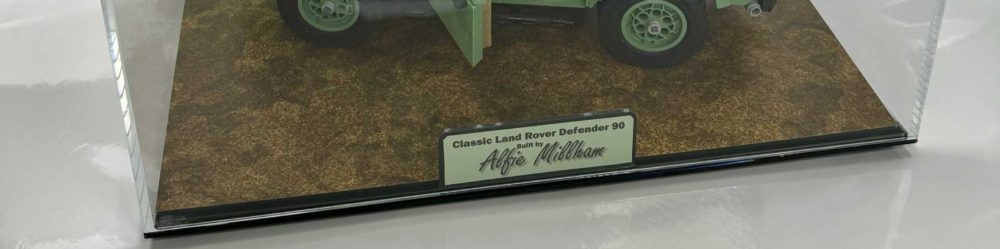
These are the most popular choice for collectors, and for good reason. A five-sided display cover consists of a transparent acrylic cover that sits on a solid base – typically in black, white, or clear acrylic.
The base colour changes the entire look of your display. Black creates drama and makes colours pop, perfect for vibrant Lego builds or colourful collectables. White gives a clean, gallery feel that works beautifully in modern interiors. Clear creates the illusion that your item is floating, catching light from all angles.
The beauty of this design is simplicity. Lift the cover to access your collectible, place it back down when done. No hinges to break, no catches to fidget with. The straightforward construction also means fewer failure points and easier cleaning.
Wall-Mounted Cases
Wall-mounted cases save floor and shelf space while turning your collection into statement wall art. These work brilliantly for smaller items like minifigures, medals, or model cars arranged in groups.
The key consideration is weight and mounting. Ensure your wall can support the weight, and always use appropriate fixings for your wall type. Plasterboard requires different fixings than brick or concrete. Don’t guess – check the total weight of the case plus contents, and use fixings rated well above that weight.
Height placement matters too. Eye level works best for most displays – roughly 145-165cm from the floor to the centre of the display. This lets you appreciate the details without straining your neck.
Pedestal Displays
Pedestal displays elevate a single special piece, literally and figuratively. A championship trophy, a limited edition figure, or a centrepiece from your collection gets the prominence it deserves.
These tend to be taller and narrower, designed to showcase one important item rather than multiple pieces. The extra height draws the eye and creates a focal point in any room. Position pedestal displays where they can be seen from multiple angles – corners often work well, as do console tables in hallways.
Stackable Solutions
Stackable solutions let you grow your display system over time. Uniform sizes mean cases sit securely on top of each other, creating a modular display wall without requiring shelving.
This approach is popular among Lego collectors who add new sets regularly, or collectors who want flexibility to rearrange their displays. Start with three or four cases, stack them, and add more as your collection grows. The visual consistency creates impact – a wall of uniform cases looks intentional and professional.
Custom vs Standard Sizing
Standard sizes offer immediate availability and lower costs. If your items fit comfortably within common dimensions – 20cm cubes, 30cm cubes, or rectangular sizes like 40x30x30cm – standard cases make perfect sense.
However, many collectables are awkward sizes. Leaving too much empty space makes items look lost and diminishes the visual impact. A small trophy in a massive case looks like an afterthought. Conversely, cramming an item into a too-small case forces awkward positioning and doesn’t allow proper appreciation from all angles.
Custom sizing ensures a perfect fit but requires measurement, a quote, and typically 2-3 weeks production time. The extra cost – usually 30-50% more than standard sizes – is often worth it for large, valuable, or irregularly-shaped items.
Display Cases by Collectable Type
Lego Sets and Minifigures
Lego has become one of the most popular items to display. Completed sets range from palm-sized to absolutely massive, so sizing matters enormously.
Small Creator sets might fit in a 25cm cube. Medium sets like modular buildings typically need 35-40cm cases. Large sets such as the UCS Millennium Falcon need something approaching 90cm wide. Always measure the completed build including any protruding elements – antennas, lightsabers, or wing tips add crucial centimetres.
Minifigures require special consideration. Wall-mounted displays that hold 40-80 figures let you show your entire series collection, arranged by theme or colour. Small desktop cases work for prize specimens – that rare promotional figure or limited edition minifig deserves individual protection.
Trophies and Awards
Trophies carry sentimental weight beyond their physical form. They represent achievements, victories, and moments of success.
Individual trophy cases work best for significant awards – that championship cup or athlete of the year trophy becomes a focal point. The case draws attention and signals importance. For multiple trophies from the same season or sport, multi-shelf displays create a cohesive story.
Remember that trophies often have handles, figurines, or other protrusions that add significantly to their width. A cup that’s 15cm in diameter might be 25cm wide including handles. Measure the widest point, not just the cup itself.
Sports Memorabilia
Signed balls, boots, shirts, and equipment each need different approaches. Footballs and rugby balls need spherical space – a cube slightly larger than the ball’s diameter works well, with the ball resting on a small stand or ring.
Signed boots benefit from angled display. A single boot shown from the side highlights the signature. A pair can be arranged toe-to-toe or side-by-side depending on the case dimensions. Small stepped bases let you create interesting angles within the display.
Model Vehicles
Model cars, planes, ships, and trains come in various scales. The most common model car scales are 1:18 (roughly 25cm long for an average car), 1:24 (around 18cm), and 1:43 (about 10cm). Each needs different case sizes.
Ships and aircraft present challenges with protruding elements like masts, sails, or wings. Always measure the widest point including all appendages. Many collectors of serious ship models opt for custom cases that precisely fit their model’s unique dimensions.
Action Figures and Collectables
High-end figures like Hot Toys benefit from larger cases that show off their detail and justify their price point. A 30cm tall figure looks impressive in a 35x35x40cm case with room to breathe.
Funko Pops and similar standardised collectables work well in uniform display cases that can be stacked. Their consistent sizing makes standard cases ideal – typically 15x15x20cm fits most Pops perfectly.
Vintage figures in original packaging need cases that accommodate the packaging dimensions, not just the figure itself. That vintage Star Wars figure on its original card might be 10cm tall but 30cm tall on the backing card.
Setting Up Your Display
Choosing the Perfect Location
Where you place your displays affects both how good your collection looks and how well it’s protected.
Direct sunlight is the enemy, even with UV protection. Yes, UV-filtering acrylic blocks most harmful rays, but “most” isn’t “all”. That sunny windowsill might seem like prime real estate, but it’s where your collection will age fastest.
Traffic flow deserves thought, especially in homes with children or pets. A display in the main thoroughfare between kitchen and living room is a disaster waiting to happen. Corners, alcoves, or areas just out of the main flow work better. You want your collection to be seen, but not bumped into daily.
Viewing angles change everything about how a display looks. Eye level is generally ideal. Items placed too high strain the neck, while items too low force people to crouch. For a sitting area, consider sightlines from the sofa. For a home office, what do you see from your desk? Position your most impressive pieces where they’re naturally seen.
Creating Visual Impact
Grouping strategies can elevate a decent display into something genuinely impressive. The rule of threes applies here – odd numbers of items naturally create visual interest. Three Lego sets in graduated sizes look more intentional than two or four. Five trophies arranged by height tells a story of progression.
Using risers and stands within your display cases adds dimension. A flat arrangement makes everything compete for attention. Staggering heights by using simple acrylic blocks or purpose-built stands creates layers that let each piece shine. Your eye travels through the display rather than across it.
Lighting transforms displays from simple protection into genuine showcases. LED strip lights mounted behind or beneath display cases create drama without generating heat that could damage items. Spotlights from above cast interesting shadows and highlight three-dimensional details.
Background and base colour choices subtly affect the whole display. Black bases create a gallery or museum feel. White bases feel clean and modern, perfect for colourful items that need a neutral backdrop. Clear bases create magic – your item appears to float.
Organisation and Rotation
Managing large collections requires strategy. Not everything can be displayed simultaneously, nor should it be. Too many items create visual clutter, diminishing the impact of everything shown.
Consider what deserves permanent display. Your most valuable pieces, emotionally significant items, or current favourites earn their place. Everything else can rotate through. This approach keeps your displays fresh and lets you regularly appreciate your full collection.
Seasonal displays work brilliantly for themed collections. Display your Star Wars Lego during May. Rotate trophy displays by sport season – cricket trophies in summer, football in winter. Holiday-themed collectables come out for Christmas or Halloween.
Finding Your Perfect Display Solution
Choosing the right display case isn’t complicated once you understand your options. Consider what you’re protecting, where you’ll place it, and how you want it to look. Standard cases work for most items, while custom solutions suit special pieces or awkward dimensions.
The type of display – five-sided cover, wall-mounted, pedestal, or stackable – depends on your space, your collection size, and your aesthetic preferences. Location and setup transform basic protection into stunning showcases.
Start with your most important pieces. Get those properly displayed and protected, then expand to the rest of your collection over time.