
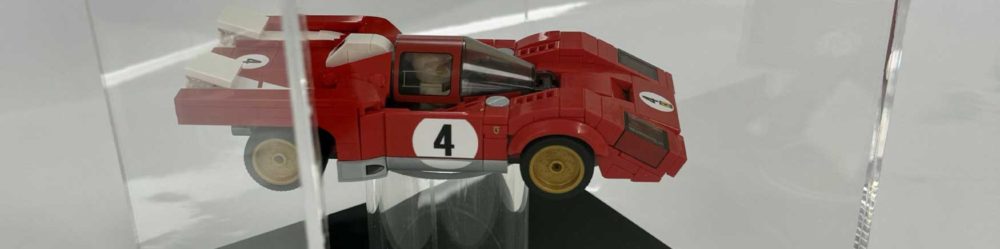
There’s something special about the moment you complete a challenging Lego set, win a hard-fought trophy, or finally get your hands on that rare collectible you’ve been searching for. These treasures represent memories, achievements and passions that deserve to be seen and enjoyed – not gathering dust in a cupboard or, worse, getting damaged over time.
Yet many collectors face the same frustrating dilemma: how do you display your prized possessions without exposing them to dust, UV damage, curious hands or accidental knocks? The answer lies in understanding both the risks your collection faces and the solutions available to protect it.
In this guide, you’ll discover why proper protection matters, how different materials compare, and what you need to know to make informed decisions about safeguarding your collection.
Why Proper Display Matters for Your Collection
The Hidden Dangers to Your Collectables
Walk into any collector’s home and you’ll often see beautifully arranged items on open shelves. The displays look impressive, but there’s a problem most people don’t notice until it’s too late.
Dust is the silent enemy of every collection. It settles into the smallest crevices of your Lego builds, dulls the shine of trophies, and creates a grimy film on action figures. What starts as a barely noticeable layer becomes increasingly difficult to remove without risking damage to delicate details. The more intricate your collectible, the harder it becomes to clean properly.
Then there’s UV light damage. That sunny spot by the window might seem like the perfect place to showcase your collection, but sunlight is slowly destroying it. UV rays cause colours to fade, white plastics to yellow, and materials to become brittle. A pristine white Lego Millennium Falcon can turn cream-coloured within a year if exposed to direct sunlight. Vintage packaging loses its vibrant colours. Limited edition figures become sun-bleached versions of their former glory.
Physical damage is perhaps the most heartbreaking. A knocked elbow, an over-enthusiastic pet, or a curious toddler can undo hours of careful building or irreversibly damage rare collectibles. The value – both monetary and sentimental – disappears in seconds.
Environmental factors add another layer of concern. Temperature fluctuations cause materials to expand and contract, potentially loosening joints on action figures or warping plastic components. High humidity can lead to corrosion on metal trophies or damage cardboard packaging. These gradual changes often go unnoticed until the damage is done.
The cost of replacement versus protection is worth considering. A limited edition Lego set that cost £350 might sell for £800 in pristine condition years later. But if sun damage has yellowed the bricks or dust has made its way into the mechanisms, that value plummets. Spending £50-£100 on proper protection suddenly seems like a bargain.
The Benefits of Professional Display Solutions
Protecting your collection properly transforms how you enjoy it. Instead of dusting individual pieces every week – carefully navigating fragile parts and intricate details – you simply wipe down a smooth acrylic surface. Five minutes instead of an hour.
The visual impact improves dramatically too. A clear display case turns your collection into a gallery-worthy exhibition. Items appear to float in their protective bubble, catching the light beautifully. The transparent barrier actually enhances the display by creating a sense of importance and careful curation. Your Lego Death Star isn’t just sitting on a shelf – it’s a museum piece.
Organisation becomes effortless when you use proper display solutions. No more awkward arrangements trying to keep items safe while maximising space. Display cases can be stacked, wall-mounted, or arranged on shelves with confidence. You can finally show your full collection without cluttering every surface in your home.
Perhaps most importantly, there’s peace of mind. You can invite guests over without hovering nervously near your displays. Children and pets can move freely. You can go on holiday knowing your collection is exactly as you left it. That mental relief is worth its weight in gold.
Understanding Display Case Materials
Acrylic vs Glass: What’s Best for Your Collection?
The material you choose for your display case matters more than you might think. Both acrylic and glass have their place, but for most collectors, acrylic (also known as Perspex in the UK) offers distinct advantages.
Weight is the first consideration. Acrylic is roughly half the weight of glass for the same thickness and size. This matters tremendously if you’re wall-mounting displays or stacking multiple cases. A large display case in glass requires serious wall fixings and structural support. The same case in acrylic can be mounted with standard fixings on plasterboard. For elderly collectors or those in rented accommodation, this difference is crucial.
Safety is another major factor. Glass shatters into dangerous shards when dropped or impacted. Acrylic is virtually shatter-proof – it might crack under extreme force, but it won’t explode into razor-sharp pieces. In homes with children, near windows, or in earthquake-prone areas, this safety advantage is compelling.
The clarity difference surprises many people. High-quality acrylic actually transmits more light than glass – up to 92% compared to glass’s 80-90%. Your collection appears brighter and colours more vivid through acrylic. The material doesn’t have the slight green tint that becomes visible when you look at glass from the edge.
Cost-effectiveness makes acrylic the practical choice for most collectors. Acrylic cases typically cost 40-60% less than equivalent glass displays. For someone building a collection of display cases, these savings add up quickly. You can protect more of your collection for the same budget.
The main advantage glass holds is scratch resistance. Glass is harder and more resistant to surface scratching from cleaning or accidental contact. However, with proper care, acrylic can maintain its clarity for decades.
What is Perspex? (UK Term Explained)
You’ll often hear “Perspex” and “acrylic” used interchangeably, which can be confusing. Here’s the simple explanation: Perspex is actually a brand name for acrylic sheet, much like Hoover is a brand name for vacuum cleaners. The material is the same – polymethyl methacrylate (PMMA) – but Perspex specifically refers to high-quality acrylic manufactured to exacting standards.
When shopping for display cases in the UK, both terms mean the same thing. However, manufacturers who specify “Perspex” are often signalling that they use premium materials rather than cheaper acrylic alternatives from lower-quality sources.
Quality indicators matter when choosing display cases. Look for acrylic that’s UV-stable (won’t yellow over time), has high optical clarity (no distortion or haziness), and comes from reputable manufacturers. British-made acrylic tends to maintain consistently high standards.
Thickness options range from 3mm for small display cases and lightweight applications, up to 10mm or more for large cases or those housing heavy items. For most collectors:
- 3mm: Perfect for smaller items like action figures, minifigures, or medals
- 5mm: The sweet spot for medium-sized displays including Lego sets, trophies, and models
- 8-10mm: Reserved for very large displays, heavy items, or when you want a more substantial, premium feel
The thickness you need depends on both the size of your display and what you’re protecting. A 30cm cube protecting a small trophy works perfectly in 3mm. A 60cm case for a large Lego set benefits from 5mm for structural stability and a more refined appearance.
UV Protection: Do You Need It?
UV protection is one of those features that seems optional until you understand what UV light actually does to collectables.
Ultraviolet light causes irreversible damage through a process called photo-degradation. The UV rays break down the chemical bonds in plastics, dyes, and inks. White and light-coloured plastics yellow. Vibrant colours fade to pale shadows. Materials become brittle and weak. This happens slowly, almost imperceptibly, until one day you compare your displayed item to a photo and realise how much it’s changed.
Standard acrylic naturally blocks some UV light – around 25% of harmful rays. This is better than nothing, but not sufficient for long-term protection of valuable items. UV-filtering acrylic blocks over 90% of UV light, dramatically slowing the ageing process.
You should seriously consider UV protection if:
- Your displays are near windows or receive any direct sunlight
- Your collectables include vintage items already showing age
- You’re displaying items with significant monetary value
- Your collection includes white or light-coloured plastics (especially Lego)
- You’re protecting printed materials, photographs, or packaging
- You plan to display items for years or decades
The cost difference for UV-filtering acrylic is typically modest – perhaps 20-30% more than standard acrylic. For items worth hundreds or thousands of pounds, or for irreplaceable sentimental pieces, this is insurance that pays for itself.
That said, if your displays are in a dark hallway, basement, or well away from windows, and you’re protecting items that aren’t particularly valuable or light-sensitive, standard acrylic provides adequate protection. Use your judgement based on your specific situation and budget.
Making Protection a Priority
Understanding the risks your collection faces and the materials available to protect it is the first step towards proper display. Dust, UV damage, and physical harm are all preventable with the right approach.
Acrylic display cases offer the ideal balance of clarity, safety, and cost-effectiveness for most collectors. Whether you choose standard or UV-filtering acrylic, 3mm or 5mm thickness, the key is making informed decisions based on what you’re protecting and where you’ll display it.
Your collection represents more than just objects – these are memories, achievements, and treasures that deserve proper care. Start with understanding protection, then move on to choosing the right solutions for your specific needs.